


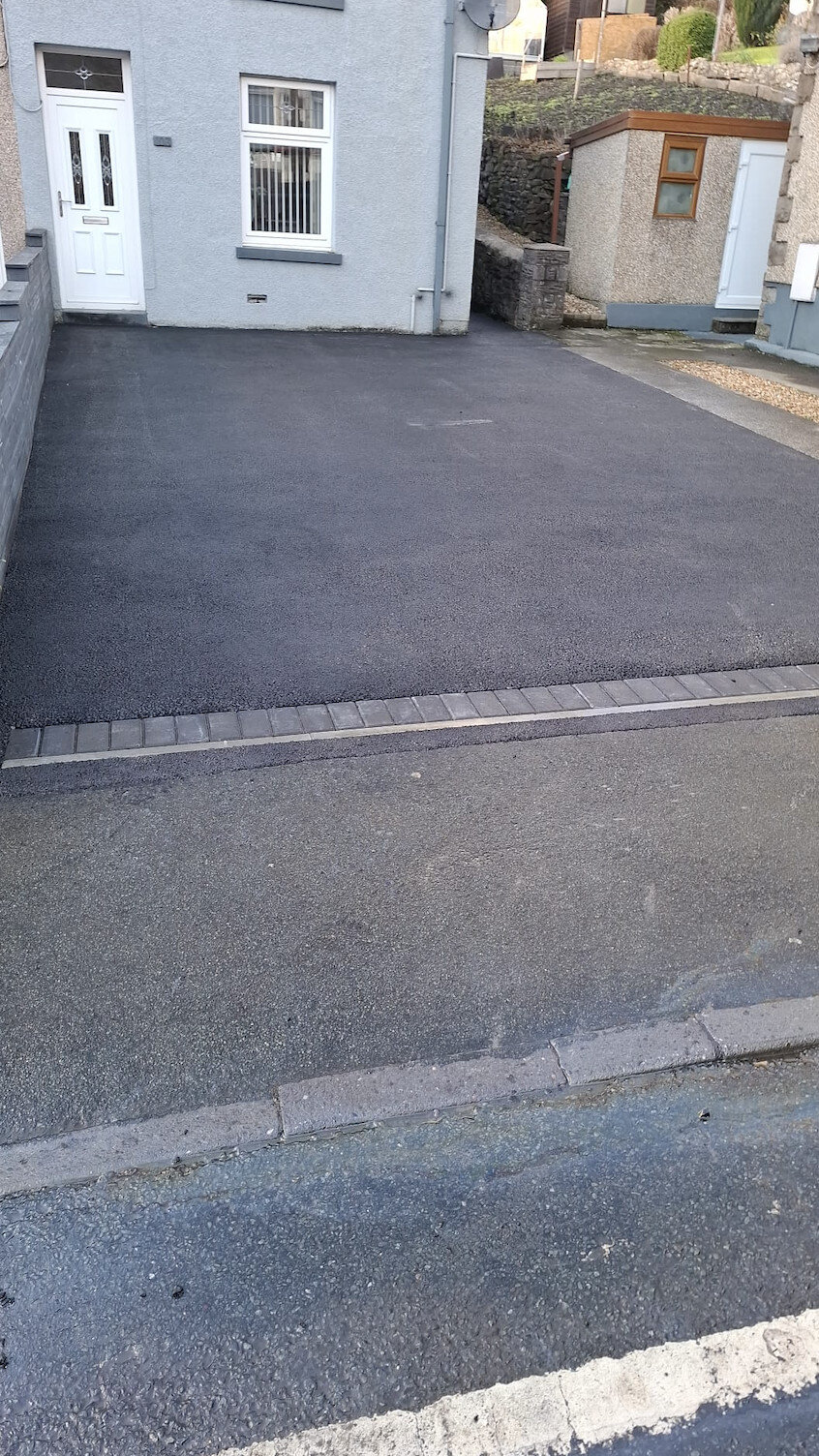
Tarmac is a popular and reliable surface material for driveways, car parks, and footpaths across the UK. Its smooth finish, long lifespan, and relatively quick installation make it a go-to option for homeowners and commercial properties alike. But one of the most common questions we hear at Regal Resin Group is: how long does tarmac actually take to dry?
Understanding the drying and curing times for tarmac is crucial if you’re planning a new installation or resurfacing project. The answer depends on a few key factors including the type of tarmac used, weather conditions, surface thickness, and how the area will be used. In this in-depth blog, we’ll explore each of these in detail so you know what to expect once your tarmac is laid.
At Regal Resin Group, we specialise in installing tarmac driveways in Swansea and the wider South Wales area. Whether we’re working on a small residential job or a larger commercial project, we always aim to give our clients clear guidance on aftercare and usage timelines. Tarmac is one of the more weather-sensitive materials, so proper curing is vital to ensure long-term strength and performance. If used too early, a tarmac surface can scuff, deform or weaken, leading to premature damage. That’s why understanding drying times—and what affects them—is so important.
The Basics of Tarmac Drying and Curing
The term “drying” can be slightly misleading when it comes to tarmac. Unlike concrete, which cures through a chemical reaction involving water, tarmac is a bitumen-based product applied hot. The bitumen binds the aggregates together and cools as it solidifies. So, rather than drying, tarmac actually “sets” as it cools and gradually hardens over time.
There are two key stages to this process: initial setting and full curing. Initial setting is the point at which the surface is solid enough to walk or drive on without causing immediate surface damage. This typically happens within the first 24 to 48 hours, depending on weather and surface type. Full curing, on the other hand, can take several weeks. During this time, the tarmac continues to harden and gain structural strength.
During the curing phase, the surface may still be soft or impressionable under heavy loads, especially in warmer weather. It’s important not to confuse walkable or driveable conditions with full durability. In fact, many driveway issues we see across Swansea are due to surfaces being used too soon.
How Weather Affects Tarmac Drying
Weather plays a major role in how quickly tarmac cures. Temperature, humidity, and even wind levels can impact how quickly the material cools and hardens. In Swansea and along the South Wales coast, where conditions can vary widely even within the same day, we always assess weather carefully before laying tarmac.
In warmer temperatures, especially during summer, tarmac may take longer to firm up. While it sets quickly on the surface, the layers underneath can stay softer for longer, meaning the full curing process is extended. This is particularly relevant for south-facing driveways that receive direct sunlight throughout the day.
In colder conditions, tarmac sets more quickly as the bitumen cools faster. However, this can make the installation process more challenging, as the material becomes harder to work with and may not bond as evenly. We always adjust our installation methods to suit the season, ensuring your tarmac driveway sets at a consistent rate.
Rain is also a major factor. Tarmac should never be laid during heavy rainfall, as water can cause the surface to cool too quickly or lead to uneven compaction. That’s why our team at Regal Resin Group always monitors forecasts carefully, delaying installations if needed to ensure the best outcome.
When Can You Walk or Drive on New Tarmac?
Homeowners are often keen to start using their new driveway as soon as possible, which is understandable. However, patience is key. Generally, you can walk on newly laid tarmac within 24 hours, assuming the weather is dry and mild. For driving, it’s best to wait at least 48 to 72 hours before using the surface, and even then, it’s advised to drive slowly and avoid turning wheels while stationary.
Heavy vehicles such as vans, caravans, or skip lorries should be kept off the surface for a longer period. Ideally, you should wait a minimum of 5 to 7 days before introducing any significant weight. In warmer weather, even standard cars can cause marks or dents in soft tarmac, so we often advise waiting a full week before driving over it daily.
During the first few weeks, it’s important to treat the surface gently. Avoid parking in the same spot repeatedly, and don’t turn your wheels while stationary as this can scuff the top layer. Placing items like plant pots or furniture on the surface can also leave marks if done too early.
This guidance is especially relevant for tarmac driveways in Swansea, where coastal humidity and variable temperatures can influence curing times. We always offer tailored advice based on local conditions and the specific nature of your installation.
Differences Between Domestic and Commercial Tarmac
Not all tarmac surfaces are created equal. The type and depth of tarmac laid on a residential driveway will differ from that used in car parks or roads. For domestic use, we typically apply a base course followed by a wearing course, with a total thickness of around 80mm. Commercial tarmac surfaces may be laid thicker and require longer to cure fully due to the increased load-bearing requirements.
At Regal Resin Group, we tailor each project to suit its intended use. If you’re installing a new tarmac driveway for standard vehicles, the curing time will be shorter than that needed for surfaces exposed to frequent heavy loads. However, the principles remain the same. The surface must be left undisturbed during the setting period to avoid permanent damage.
In Swansea, we’ve worked on both residential and commercial projects—from household driveways in Sketty to school car parks in Gorseinon. For each job, we ensure the specification is appropriate for the intended use, and we provide detailed aftercare advice to make sure the surface performs over time.
How to Tell If Tarmac Has Fully Cured
Knowing when your tarmac is fully cured can be tricky, as it often looks ready before it truly is. Even once the surface appears dry and solid, it may still be soft underneath, particularly in the case of deeper layers or thicker installations.
Fully cured tarmac will feel firm underfoot and resist pressure without leaving marks. The surface temperature will also stabilise, no longer feeling noticeably warm even in direct sunlight. Over the following weeks, the material will continue to harden gradually.
If you’re unsure, look out for subtle signs. If wheel tracks, scuffs or dents are appearing under normal use, the tarmac likely hasn’t cured completely. In that case, we recommend avoiding further pressure until it firms up. Avoid using jet washers or aggressive cleaning products in the first month, as the surface may still be bonding and vulnerable to damage.
At Regal Resin Group, we’re happy to offer follow-up advice after installation. We understand that every surface responds slightly differently depending on the materials, weather, and usage, so we always encourage customers to contact us with any questions about post-installation care.
Caring for Your Tarmac After It Dries
Once your tarmac driveway has set and cured, a few simple maintenance steps will help it stay looking great. Regular sweeping will keep debris from building up, and occasional rinsing with a hose will remove dirt or oil stains. In Swansea, where leaves and moisture can combine to create slippery patches, keeping the surface clean also helps maintain safety.
Avoid parking heavy vehicles in the same position over long periods, especially in warm weather, as this can cause slight impressions. Try not to drag sharp or heavy objects across the surface, as this may cause scuffing. If you’re placing skips or construction equipment on the driveway, use wooden boards beneath to distribute the weight evenly.
Resealing the surface every few years can also help protect it from wear and UV damage. This isn’t always necessary for domestic driveways, but we’re happy to assess the condition of your surface and advise when it’s time for a refresh. As a local team working across Swansea, we offer ongoing support to all our clients, even long after the original job is done.
Final Thoughts
Tarmac is a tough and dependable surface, but it does need time and care to reach its full strength. Drying and curing aren’t instant, and rushing the process can lead to problems down the line. The exact timeline will depend on factors like the weather, thickness of the surface, and type of use—but as a general rule, expect at least 48 to 72 hours before light use and several weeks before full curing.
At Regal Resin Group, we understand how important it is to get this right. When we install tarmac driveways in Swansea, we take local conditions into account, use the correct materials for the job, and provide clear aftercare advice so our clients get the best results. We don’t just lay surfaces—we create lasting, high-quality driveways that perform and impress for years to come.
If you’re considering a new tarmac driveway or need help with aftercare or repairs, we’re here to help. Get in touch with Regal Resin Group today for expert guidance and a professional service you can rely on.