


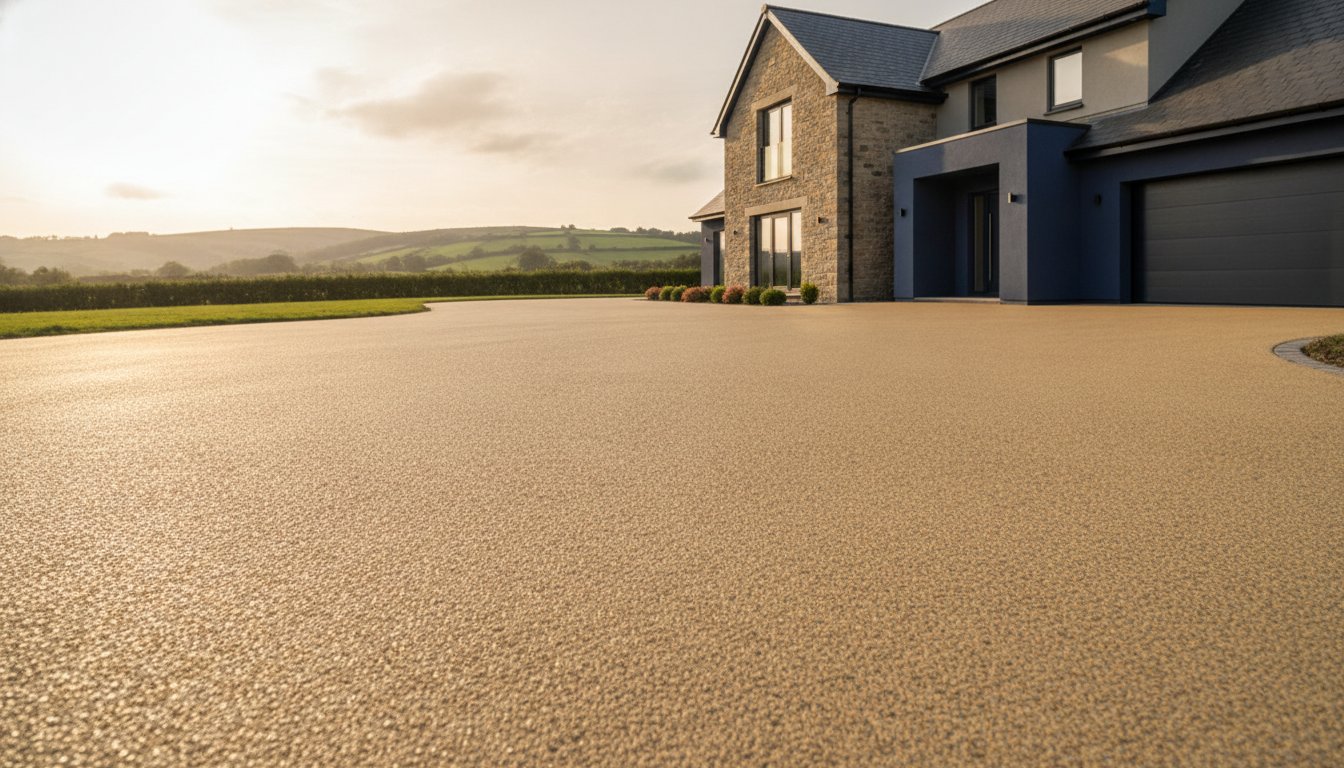
The most persistent resin driveway problems aren’t actually inherent to the material; they are the architectural consequences of compromised groundworks and non-specialist installation. You’ve likely seen the cautionary tales of surfaces that crack, fade, or pool water, and it’s natural to feel anxious about protecting such a significant investment in your South Wales home. We understand that you seek more than just a functional surface; you want a pristine, weed-free entrance that reflects the quality of your lifestyle and the heritage of your property.
This guide reveals why these common failures are almost entirely avoidable and how you can secure a high-performance, artisan finish that stands the test of time. We will explore the essential technical standards for 2026, from the necessity of UV-stable aliphatic resins to the precision of SuDS-compliant drainage. By the end, you’ll have the confidence to choose a partner who treats your driveway as a vital contribution to your home’s enduring legacy, ensuring peace of mind through total ownership and meticulous craftsmanship.
Key Takeaways
- Learn why nearly 90% of resin driveway problems originate from installation errors rather than material flaws, ensuring you choose a specialist who prioritises technical precision.
- Discover the critical importance of UV-stable aliphatic resins and SuDS-compliant drainage systems for maintaining a pristine finish in the unique South Wales climate.
- Understand why the enduring integrity of your driveway depends entirely on the quality of the sub-base and groundworks hidden beneath the surface.
- Compare the long-term architectural benefits and low-maintenance luxury of resin bound surfacing against traditional alternatives like block paving or tarmac.
- Identify how a dedicated in-house team of artisans eliminates the risks of subcontracting to guarantee total accountability for your home’s exterior legacy.
Common Resin Driveway Problems: Material Flaws or Installation Errors?
Resin bound surfacing represents the pinnacle of modern exterior design, offering a seamless and sophisticated aesthetic that complements the most refined architectural styles. As one of the most advanced permeable paving systems available today, it serves as a sustainable guardian for your property, managing water runoff with quiet efficiency. However, the prestige of this material is often overshadowed by reports of failure. It’s a common misconception that resin driveway problems are a byproduct of the material itself. In reality, industry experience suggests that approximately 90% of these issues result from compromised installation techniques and inadequate groundworks rather than inherent flaws in the resin or aggregate. Whether it’s the appearance of hairline fractures, unappealing discolouration, or the frustration of loose stones, these symptoms are almost always the signature of a rushed or non-specialist application. Protecting your investment requires a shift in perspective; viewing the driveway not as a commodity, but as a technical endeavor that demands artisan precision.
The Distinction Between Bound and Bonded Systems
The confusion between resin bound and resin bonded systems is a frequent catalyst for disappointment. In a true resin bound system, the aggregate is meticulously mixed with the polyurethane resin before being hand-trowelled onto the surface, ensuring every single stone is fully encapsulated. This creates a porous, durable carpet that allows water to flow through naturally. Conversely, resin bonded systems involve scattering loose stones over a layer of resin already spread on the ground. While initially appearing similar, this method is non-permeable and often leads to the loose stone problem that homeowners fear most. For a residential driveway intended to last decades, the bound system is the only elite choice for those seeking durability and SuDS compliance.
Craftsmanship vs. Commodity: Why the Installer Matters
Installing a resin surface is a delicate dance with chemistry. Non-specialist builders often treat the process like pouring concrete, overlooking the critical impact of ambient temperature and humidity on the resin’s curing cycle. A slight shift in moisture levels during the pour can lead to clouding or structural weakness. True artisans understand that the hand-trowelled finish is where the legacy is built. It requires a level of physical discipline and technical intuition to ensure the depth is consistent and the surface is perfectly level. When you opt for a cheap installation, you’re often paying for a lack of accountability. A specialist contractor takes total ownership of the environment, ensuring the structural integrity of your home’s entrance is never sacrificed for speed. High-performance results aren’t accidental; they’re the result of meticulous planning and a refusal to compromise on the quality of the finish.
The Science of Failure: Drainage, UV Stability, and the Welsh Climate
The South Wales landscape, while visually arresting, presents a unique set of challenges for any external surfacing project. Our region’s high annual rainfall and coastal salt air demand a level of technical resilience that standard installations often fail to provide. When we discuss resin driveway problems, we are often talking about a failure to account for these specific environmental stressors. A driveway in Swansea must do more than look beautiful on the day of completion; it must serve as a durable, functional asset that withstands the Atlantic weather systems for decades. Without a deep understanding of local conditions, even the most expensive materials can fail prematurely.
UV Stability and the “Yellowing” Myth
The chemical composition of your resin determines whether your driveway maintains its pristine aesthetic or succumbs to unsightly discolouration. Most failures in this category stem from the use of aromatic resins, which are chemically sensitive to ultraviolet light. Over time, sunlight breaks down the molecular bonds in these lower-grade polyurethanes, causing them to turn yellow and become brittle. In 2026, the only acceptable standard for a high-end installation is aliphatic resin. This UV-stable alternative remains clear and flexible, ensuring the aggregate’s natural colour is preserved regardless of sun exposure. According to recent UV resistant pavement research, the structural integrity of the polymer matrix is directly linked to its ability to resist radiation-induced degradation. UV stability is the cornerstone of aesthetic longevity for any premium outdoor surface.
SUDS Compliance and Surface Water Management
A professionally installed resin bound driveway acts as a sophisticated drainage system for your property. By allowing water to permeate through the surface at a rate of hundreds of litres per square metre per minute, it naturally manages Welsh rainfall without the need for additional planning permission. When drainage is miscalculated, you risk “puddling” or “clouding”, where moisture trapped within the resin creates a milky appearance. Beyond aesthetics, this permeability is a vital safety feature. It prevents the formation of hazardous ice patches in winter, as water drains away before it can freeze on the surface.
Beyond chemical and hydraulic factors, material selection plays a pivotal role in the long-term finish. “Iron spotting” is a common issue where low-grade aggregates containing high levels of iron oxide react with moisture, leaving rust-like stains across your surface. Similarly, “reflective cracking” occurs when a resin layer is laid over a poorly prepared or shifting sub-base, causing the new surface to mirror the fractures beneath. Ensuring your project is managed by an artisan team who understands these geological and chemical nuances is the only way to safeguard your home’s architectural legacy. This proactive approach eliminates the most common resin driveway problems before the first stone is ever laid.

Structural Integrity: Why Groundworks Are the Foundation of Success
Groundworks are the most critical phase of any outdoor renovation, serving as the invisible spine that supports your home’s aesthetic legacy. While the hand-trowelled surface captures the eye, the true success of the project lies buried beneath the aggregate. Many resin driveway problems manifest as surface failures, yet their origins are almost always found in a compromised foundation. A resin bound layer is essentially a high-performance veneer; it’s only as resilient as the tarmac or concrete it adheres to. If the sub-base lacks the structural density to support vehicle loads, the surface layer will eventually mirror those subterranean shifts, leading to fractures that no amount of top-level maintenance can fix.
Surface detachment is another silent threat born from poor preparation. If moisture is trapped within the sub-base or if the surface isn’t meticulously primed, the bond between the resin and the ground fails. This often results in “bubbling” or large sections of the driveway lifting away. We also frequently observe “fretting” at the boundaries. This occurs when a contractor neglects to install rigid, professional edging, leaving the resin exposed to lateral pressure. Without a secure, well-defined border, the edges of your driveway will inevitably crumble under the weight of daily use, compromising the entire installation’s integrity.
The Anatomy of a High-Performance Sub-Base
A heavy-duty residential driveway requires a layered approach designed for longevity. For a truly permeable solution, we utilise MOT Type 3 aggregate, which provides the necessary void content to facilitate Sustainable Drainage Systems (SuDS). This allows water to transition through the sub-base rather than pooling against your home’s foundations. Every existing surface must be cleaned and primed with industrial-grade agents to ensure a permanent chemical bond. Curing times aren’t mere suggestions; they’re structural requirements. Rushing to apply resin before the sub-base has fully settled and dried is a primary cause of resin driveway problems in the UK’s damp climate.
Avoiding the Cracking Trap
Ground movement is a natural reality, particularly across the varied geological terrain of South Wales. To mitigate this, we integrate strategic movement joints that allow the surface to expand and contract without fracturing. In high-risk installations, we employ crack reduction membranes that act as a buffer between the sub-base and the resin, absorbing minor shifts. Our approach is rooted in total ownership. By refusing to use subcontractors, we maintain absolute control over the groundworks phase. This ensures that every cubic metre of earth moved and every tonne of aggregate laid meets our artisan standards, creating a foundation that is truly worthy of your property’s future.
Evaluating the Alternatives: Is Resin Still the Elite Choice?
Choosing a surfacing solution for a prestige home requires a careful balance between aesthetic ambition and practical resilience. While we have explored the technical origins of resin driveway problems, it’s vital to view these challenges in the context of traditional alternatives. Every paving material has its signature failures, yet few offer the restorative potential of a correctly installed resin bound system. When you compare the potential for surface issues against the guaranteed frustrations of legacy materials, the superiority of resin becomes clear. It remains the only choice for those who view their driveway as a vital contribution to their home’s architectural legacy rather than a mere utility.
Consider the inevitable trajectory of block paving. While initially charming, it’s a magnet for weed growth. Nature eventually colonises the sand-filled joints, necessitating a cycle of aggressive power washing and chemical treatments that eventually destabilise the sub-base. Tarmac, though functional, lacks the sophisticated finish required for high-end properties. Repairs are always visible, resulting in a patchy, utilitarian appearance that can’t match the seamless luxury of a hand-trowelled resin surface. Even traditional gravel, often favored for its drainage, presents “sinkhole” risks and stone migration that ends up inside your home. In contrast, a resin surface offers a stable, pristine environment that maintains its integrity without the constant need for intervention.
Resin vs. Block Paving and Tarmac
The primary advantage of resin bound surfacing is its aesthetic flexibility. You aren’t limited to a standard palette; instead, you can curate a bespoke aggregate blend that perfectly mirrors the tones of your property’s stonework. Beyond beauty, it’s the only truly permeable high-end option that manages water runoff without the need for unsightly drainage channels. For busy homeowners, the speed of transformation is equally compelling. Because an expert team can often utilise a prepared existing sub-base, the transition from a tired entrance to a grand arrival can be achieved with minimal disruption to your daily life.
The Investment Perspective: Cost vs. Longevity
A premium driveway is an investment in your property’s future value. While the initial outlay for a specialist installation is higher than for basic tarmac, the long-term maintenance costs are significantly lower. Avoiding “cheap” quotes is the most effective way to prevent resin driveway problems that lead to expensive remedial work. A surface executed with artisan precision is designed to be a lifetime choice, enhancing kerb appeal and providing a durable, weed-free environment for decades. If you are ready to secure a high-performance finish that reflects the quality of your home, consult our specialists for an artisan resin installation.
The Regal Standard: Eliminating Risks Through In-House Excellence
The most persistent resin driveway problems are often the byproduct of a fragmented supply chain. In many cases, the entity that sells the project is rarely the one that executes the work, leading to a dilution of accountability and a compromise in technical precision. At Regal Swansea Ltd, we operate on a singular, unwavering pillar: “No Subcontractors, No Compromise.” This philosophy isn’t merely a business model; it’s a commitment to the architectural legacy of your home. By maintaining a dedicated in-house team of specialists, we ensure that the artisan vision established during your initial consultation is the exact reality delivered on your driveway. Direct employment allows us to cultivate a culture of quiet pride and meticulous attention to detail, where every hand-trowelled metre is a testament to our collective reputation.
We view your property’s exterior as a cohesive ecosystem where every element must work in harmony. A pristine resin surface achieves its full potential only when it’s integrated thoughtfully with the surrounding environment. This is why we align our surfacing expertise with expert landscaping services in South Wales, ensuring that drainage, levels, and aesthetics are perfectly synchronised. When you choose a partner who takes total ownership of the project, you eliminate the risks of miscommunication and structural oversight that so often lead to failure. A Regal Swansea Ltd driveway isn’t just a surface; it’s a durable, high-performance asset designed to enhance your property’s value for a lifetime.
Total Ownership of the Project Lifecycle
The benefit of a single point of contact cannot be overstated. From the first design sketch to the final site clearance, you’re supported by a team that understands the specific nuances of your project. Our in-house crews follow a strict “clean site” policy, respecting your home as a sanctuary rather than a construction zone. This disciplined approach extends to the most complex aspects of the installation, such as creating bespoke patterns or ensuring seamless fencing in Swansea integration. We take the time to get the invisible details right, from the compaction of the sub-base to the precise chemical mix of the resin, because we know our name is etched into the finished product.
Your Vision, Our Craftsmanship
We invite you to a consultation that transcends technical specifications and focuses on architectural harmony. As a local specialist based in Swansea, we have a deep-rooted interest in the aesthetic future of our community and the long-term success of our clients’ investments. We understand the Welsh climate, the local geology, and the high standards our neighbours expect. This local expertise, combined with our refusal to compromise on material quality or labour standards, provides the ultimate peace of mind. It’s time to move beyond the fear of resin driveway problems and embrace the possibility of a flawless, artisan entrance. Transform your home’s entrance today with an elite resin bound installation that reflects your commitment to quality and visionary design.
Securing Your Home’s Architectural Future
The enduring beauty of a resin bound surface is never accidental; it’s the calculated result of technical precision and artisan discipline. By understanding that the majority of resin driveway problems are born from compromised foundations rather than the materials themselves, you’ve taken the first step toward a lasting investment. True quality requires a partner who treats your home with the respect it deserves, integrating high-performance surfacing with full-service landscaping for a cohesive, high-end exterior.
As Swansea-based specialists, our in-house team maintains total control over every phase of the project. We don’t use subcontractors, because we believe that total quality control is the only way to ensure your driveway remains a point of quiet pride for decades. It’s about more than just a surface; it’s about building a legacy that enhances your lifestyle and the character of your community. We’re ready to help you shape the future of your property’s environment with a finish that stands the test of time.
Begin your visionary outdoor transformation with a bespoke resin quote
Frequently Asked Questions
Do resin driveways crack easily?
Resin bound surfaces are remarkably resilient and flexible, so they don’t crack under normal environmental conditions. Most resin driveway problems involving fractures are actually reflective cracks, caused by movement in an unstable or poorly prepared sub-base beneath the resin carpet. By ensuring the foundation is structurally sound and utilizing strategic movement joints, you can maintain a seamless, crack-free finish for decades.
Why is my resin driveway turning yellow?
Yellowing is the direct result of using lower-grade aromatic resins that degrade and discolour when exposed to ultraviolet light. To ensure your driveway retains its original curated hue, it’s essential to use UV-stable aliphatic polyurethane resins. This superior chemical grade acts as a guardian for your aesthetic investment, preventing the unsightly amber tint often associated with non-specialist installations.
How do I stop weeds from growing through my resin surface?
The fully encapsulated nature of a resin bound system makes it naturally weed-resistant, as there are no open soil joints for roots to take hold. While airborne seeds might occasionally settle in surface dust or organic debris, these are easily brushed away and cannot penetrate the structural layer. This ensures your entrance remains pristine and maintenance-free without the need for aggressive chemical intervention.
Can resin be laid over my existing old driveway?
Resin can often be installed over existing tarmac or concrete, provided the underlying surface is structurally sound and free from significant fractures. Our team meticulously cleans and primes these surfaces to ensure a permanent chemical bond that prevents surface detachment. However, we must first assess whether the original base allows for adequate drainage to maintain the integrity of the installation.
Is a resin driveway slippery in the winter?
Resin bound surfaces are generally safer than traditional paving because their permeable nature prevents water from pooling and freezing into dangerous ice patches. For additional security in the Welsh climate, we can incorporate a fine, transparent anti-slip aggregate during the hand-trowelling process. This addition enhances traction during frost and rain without compromising the sophisticated, smooth aesthetic of your property’s entrance.
What causes small holes or “pitting” in a resin surface?
Pitting usually occurs when an incorrect ratio of resin to aggregate is used, leading to “dry” patches where stones aren’t fully encapsulated. This is a classic example of why specialist craftsmanship is essential; a precise, industrial-grade mix ensures every stone is securely bound within the polymer matrix. Professional installation by an in-house team eliminates the risk of stones loosening and creating these small voids.
How long should I wait before driving on my new resin surface?
You can typically walk on your new surface after 24 hours, but you should wait at least 72 hours before driving a vehicle onto it. This period allows the polyurethane bonds to reach their full structural density and hardness, ensuring the surface can support vehicle loads without indentations. Rushing this curing process is a primary cause of resin driveway problems like surface scuffing or tracking.
Are resin driveways SUDS compliant by default?
Only resin bound systems are inherently SuDS compliant because their porous structure allows water to drain directly through the surface at a high rate. Resin bonded systems, where stones are scattered over a pre-spread resin layer, are non-permeable and typically require separate drainage solutions or planning permission. True sustainability requires the combination of a bound surface and a porous MOT Type 3 sub-base.